





Cooking with Clay: The Forgotten Tradition of Dum Biryani
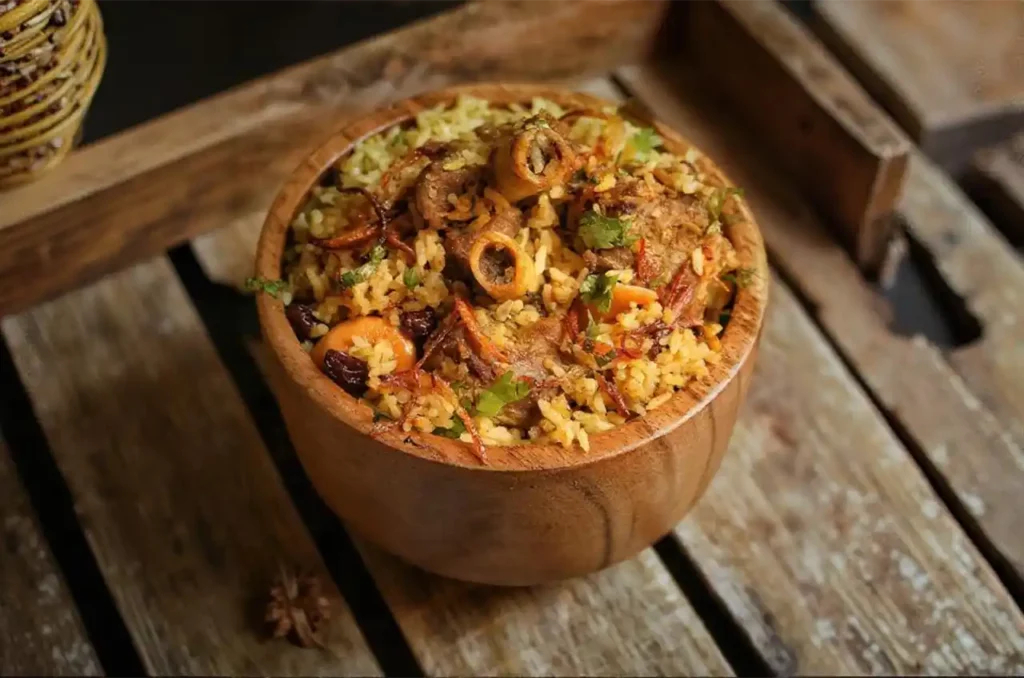
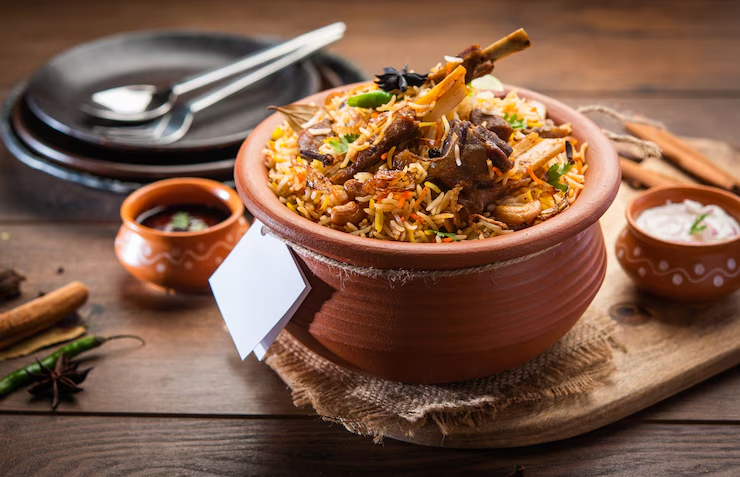
When it comes to biryani, the choice of pot is not mere tradition—it’s foundational to flavor, texture, and even nutritional value. Cooking in clay pots (“matka,” “mitti handi,” or “manchatti”) for dum biryani is a practice with roots stretching back centuries, rich in science and cultural meaning.
The History: Clay Pots & Biryani
- Origins: Clay pots have been used in Indian and Persian kitchens for thousands of years. In the Mughal era, clay handis were the vessel of choice for slow-cooked royal biryanis, prized for how they gently steamed food over coal or wood fires.
- Regional Legacy: In South India, the “manchatti” remains popular for biryani and curries. Kolkata’s famed biryani is still cooked in “matka,” and Lucknow’s Awadhi biryani employs seasoned clay handis.
Why Clay Works: The Science
- Porosity and Moisture: Clay’s natural pores allow gradual evaporation and re-absorption of steam, keeping biryani moist without getting soggy. This means rice grains cook evenly with minimum stirring.
- Heat Distribution: Unlike metals that heat rapidly and unevenly, clay absorbs heat slowly and radiates it gently. This prevents scorching rice and meat and supports excellent “dum”—slow steaming.
- Flavor Enhancement: The interaction of food and clay imparts earthy undertones. Because clay is non-reactive and free of heavy metals, spice oils and aromatics remain pure and untainted.
- Health Impact: Clay pots are naturally alkaline, which can help neutralize the acidity of food. They are free of PFOA, PTFE, and other non-stick chemicals found in modern cookware. In blind taste tests, biryani from clay pots is often described as richer and more fragrant.
Practical Benefits of Clay Pot Cooking
- Sustainability: Clay cookware is biodegradable, locally made, and requires less energy to produce than metals—making it a planet-friendly choice.
- Economics: Clay pots are often less expensive than high-end cookware, supporting local artisans and communities.
- Retention of Vitamins: Because cooking temperatures remain low and moisture stays locked in, delicate vitamins and phytonutrients endure better than in high-heat steel or aluminum pots.
Everyday Tips for Clay Pot Biryani Success
- Preparation: Always soak a new clay pot overnight in water—never use it dry and unseasoned.
- Usage: Ideal for gas stovetops and slow fires. Avoid induction/ceramic hobs.
- Cleaning: Wash with warm water, avoid soap and chemicals. Pat dry thoroughly after each use.
Tradition Meets Modernity
From street food stalls in Hyderabad to royal kitchens in Lucknow, clay pots remain an irreplaceable part of the biryani story. Modern research supports what tradition always knew: clay pots make for tastier, healthier, more sustainable biryani—if you have patience to let the dum do its work.