







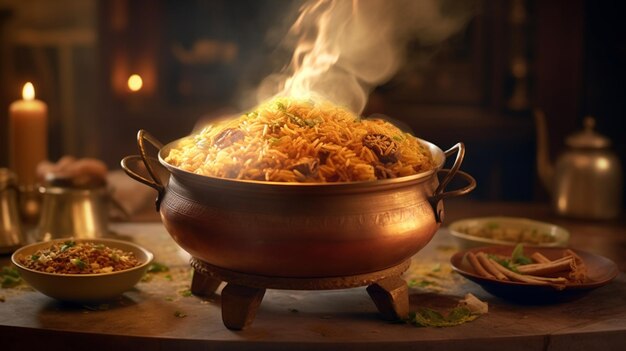
From Clay to Copper: The Story Behind the Pots That Make Your Biryani Irresistible
When you savor a plate of perfectly cooked biryani, do you ever wonder what secret ingredient turns it from ordinary to extraordinary? It’s not just the spices, the marinated meat, or even the long-grain rice—it’s the pot! Yes, the very vessel in which biryani is cooked plays a starring role in creating those unforgettable flavors and textures.
Let’s take a fascinating journey back in time to discover how the humble pots and pans behind biryani have evolved—and why picking the right one is just as important as choosing the right saffron.
Why Does the Pot Matter So Much?
Imagine layering fragrant rice, tender meat, and rich spices in a pot that evenly cooks every grain, seals in the aromas, and doesn’t let a single drop of flavor escape. That’s the magic of traditional biryani pots!
Cooking biryani is an art of slow, patient layering and steaming (called dum), where heat and steam work together to infuse everything with deep flavors. The right pot makes this possible.
Clay Pots: The Ancient Flavor Keepers
Biryani didn’t start on a fancy steel stove or in a non-stick pan. It started in earthen clay pots centuries ago—way back in ancient Persia, long before it became a household favorite in India.
Why clay? Because these pots breathe. Their porous walls let gentle steam circulate and lend an earthy, smoky flavor that’s hard to replicate. Cooking biryani in clay is like nature’s slow cooker, preserving all the natural goodness and aroma in every bite.
Enter the Royal Handi: Mughals Raise the Bar
When the Mughals brought biryani to the royal kitchens of India, they introduced the handi—a deep, wide pot made of brass, copper, or thick aluminum.
Why the big deal about a pot? These handis have thick bottoms that distribute heat evenly and heavy lids that trap every bit of steam, working together to make your biryani tender, juicy, and bursting with flavor.
No wonder these pots became heirlooms passed down through generations. They weren’t just cooking vessels—they were vessels of tradition.
Regional Flavors Need Different Pots
Biryani’s story doesn’t end there. Every region in India added its own spin, and with that, the choice of pots shifted too:
- In Hyderabad and Lucknow, metal handis ruled the kitchens, prized for their heat management.
- In the coastal zones, the good old clay pots still shine, imbuing the biryani with that hint of smokiness.
- Today, you also find modern triply stainless steel pots, designed for rapid heat conduction and even cooking, perfect for busy home cooks.
So, Which Pot Should You Cook Your Biryani In?
Whether you choose a traditional handi, a clay pot, or a modern steel casserole, here’s what to look for:
- Heavy bottom to prevent burning.
- Tight-fitting lid to lock in aromas.
- Enough width and depth for nice layering.
Final Thought: Cook with History on Your Side
Next time you make biryani, remember: you’re not just cooking food—you’re continuing centuries of culinary tradition. The pot you choose links you to ancient kitchens, royal feasts, and regional tales.
So pick your biryani pot with love and respect. After all, great biryani begins long before the first grain of rice hits the pot!